The Biggest AI Developments You Probably Missed This Week
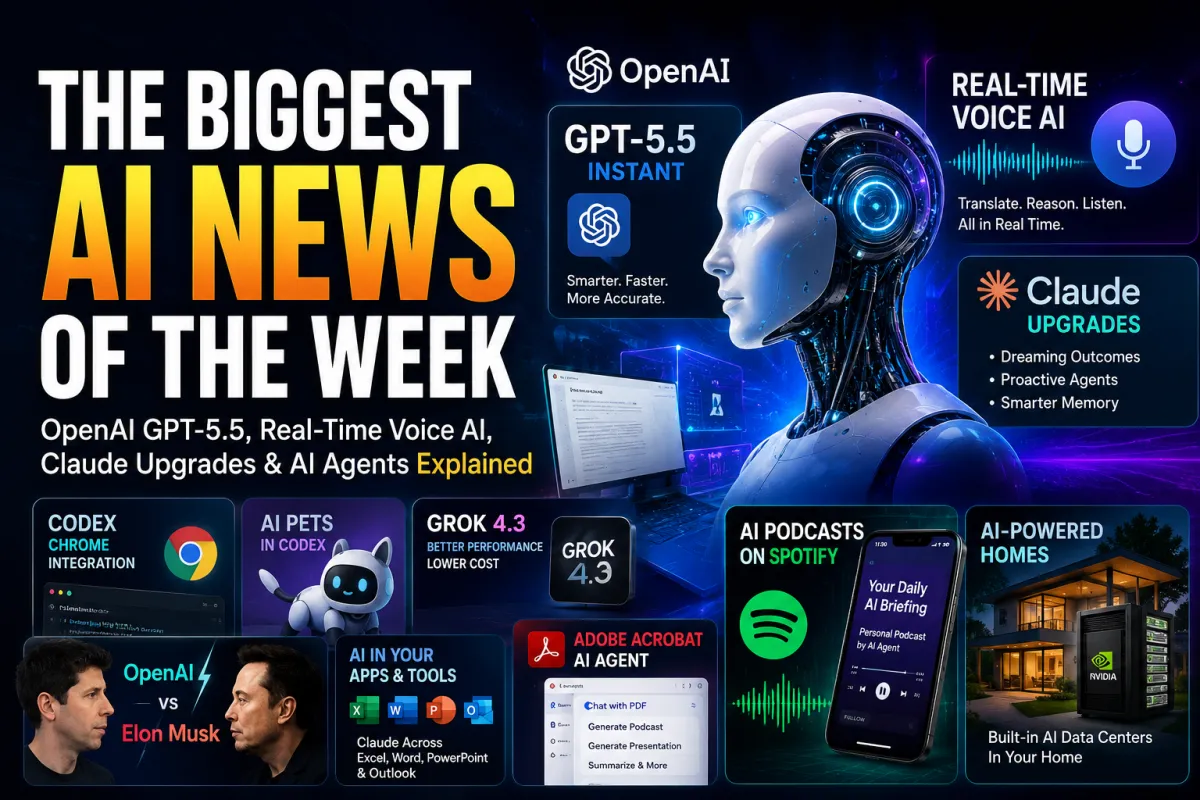
Artificial intelligence is evolving at a pace that feels almost impossible to track. Every week brings new models, smarter assistants, better integrations, and increasingly human-like AI experiences. From OpenAI’s latest GPT improvements to Anthropic’s proactive AI systems and futuristic AI-powered homes, this week delivered some major developments that could shape the future of technology.
Here’s a complete breakdown of the most important AI news, tools, and updates you need to know.
OpenAI Introduces GPT-5.5 Instant
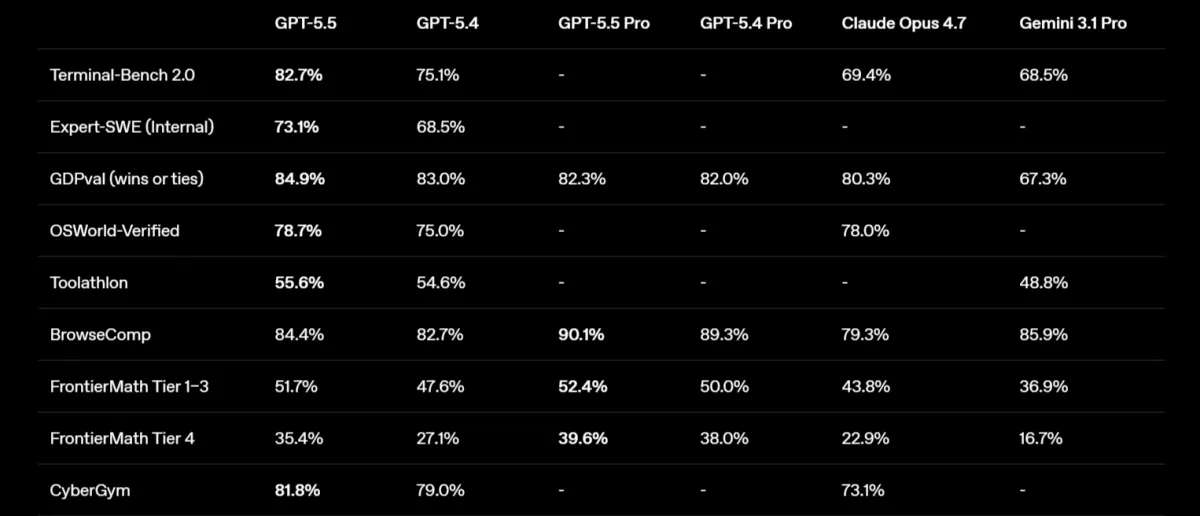
One of the biggest announcements this week was OpenAI’s release of GPT-5.5 Instant, the new default model inside ChatGPT.
Unlike a dramatic next-generation leap, GPT-5.5 Instant focuses on refinement and usability improvements. The model is designed to provide:
- Faster responses
- Better reasoning
- More concise answers
- Improved personalization
- More accurate outputs
The changes may appear subtle at first, but they significantly improve the everyday user experience.
Smarter and More Concise Responses
Compared to previous default models, GPT-5.5 Instant reduces unnecessary explanations and delivers cleaner answers.
For example, when solving math problems, older models often overexplained their reasoning or became inconsistent midway through a response. GPT-5.5 Instant handles these scenarios with more confidence and precision while using fewer words.
This shift toward concise communication makes interactions feel more natural and efficient.
Improved Personalization
Another major improvement is personalization.
GPT-5.5 Instant now better uses stored memory and context to tailor responses specifically to the user. Instead of giving generic recommendations, the model can reference past preferences and habits to produce more relevant suggestions.
This makes ChatGPT feel less like a search engine and more like a genuine AI assistant that understands individual users over time.
OpenAI’s New Real-Time Voice Models Are Incredibly Impressive
OpenAI also introduced a new generation of real-time voice AI models, and they represent one of the most exciting advancements in conversational AI so far.
The company revealed three major voice models:
- GPT Realtime 2
- GPT Realtime Translate
- GPT Realtime Whisper
These systems push AI closer to becoming a true real-time communication layer between humans.
AI Voice Assistants Are Becoming More Human
One particularly fascinating feature demonstrated during OpenAI’s presentation was the assistant’s ability to remain silently present during conversations.
Users can literally tell the AI:
“Stay quiet for a moment.”
The model continues listening without interrupting and re-enters the conversation only when asked.
This subtle interaction dramatically improves the realism of voice assistants and reduces one of the biggest frustrations users have with current AI systems.
Trusted Contacts Arrive in ChatGPT
OpenAI also introduced a new safety-focused feature called Trusted Contacts.
This optional feature allows users to nominate someone they trust, such as family members, friends, or caregivers.
If ChatGPT detects conversations involving serious self-harm concerns, the system may notify the trusted contact.
HubSpot Launches AI Search Visibility Tracking
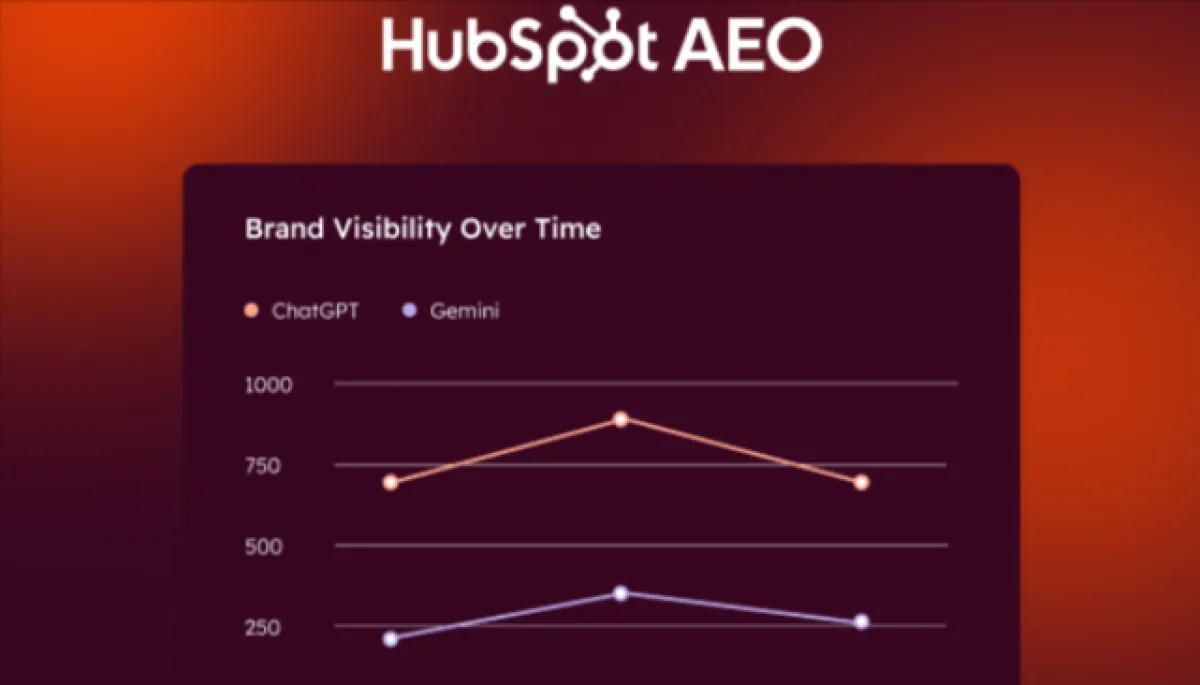
HubSpot introduced a new platform called AEO (Answer Engine Optimization).
AEO helps brands understand:
- How often AI tools recommend them
- Which prompts trigger mentions
- How they compare to competitors
- How to improve AI visibility
This marks a major shift in digital marketing.
Codex Now Works Directly Inside Chrome

OpenAI upgraded Codex with direct Chrome integration.
This allows Codex to:
Open browser tabs
Analyze websites
Extract information
Interact with web content directly
The feature essentially turns Codex into a lightweight AI browser assistant.
Anthropic’s Claude Is Becoming More Proactive
Anthropic introduced Dreaming Outcomes, a system that allows Claude-managed agents to:
Review past sessions
Analyze patterns
Improve workflows automatically
Restructure memory intelligently
This signals a major shift toward proactive AI assistants.
Grok 4.3 Launches With Lower Costs
Elon Musk’s xAI released Grok 4.3, an upgraded AI model focused on affordability while maintaining competitive performance.
Claude Now Works Across Microsoft Apps
Claude can now operate directly inside:
- Excel
- Word
- Outlook
- PowerPoint
Even more importantly, Claude maintains context across applications for a seamless productivity experience.
Adobe Acrobat Becomes an AI Content Engine
Adobe introduced major AI upgrades to Acrobat.
Users can now:
- Chat with PDFs
- Generate presentations
- Create podcasts
- Produce blog posts
- Translate documents
Spotify Adds AI Podcast Integration

Spotify introduced support for AI-generated personal podcasts.
AI agents can now generate custom daily briefings and automatically upload them to Spotify.
Apple May Be Building AI-Powered Camera AirPods
Reports suggest Apple is developing AirPods equipped with visual sensing capabilities for contextual AI assistance.
Homes Could Soon Include Built-In AI Data Centers
NVIDIA and startup SPAN are exploring homes equipped with miniature AI data centers containing powerful GPUs and CPUs.
This could eventually enable personal AI supercomputers at home.
Final Thoughts
The AI industry is evolving faster than almost any technology sector in history. Every week introduces tools that feel closer to science fiction becoming reality.
AI is no longer just software you open occasionally. It’s rapidly becoming an intelligent layer woven into every part of daily life.
And this is only the beginning.